
Weaving One's Space

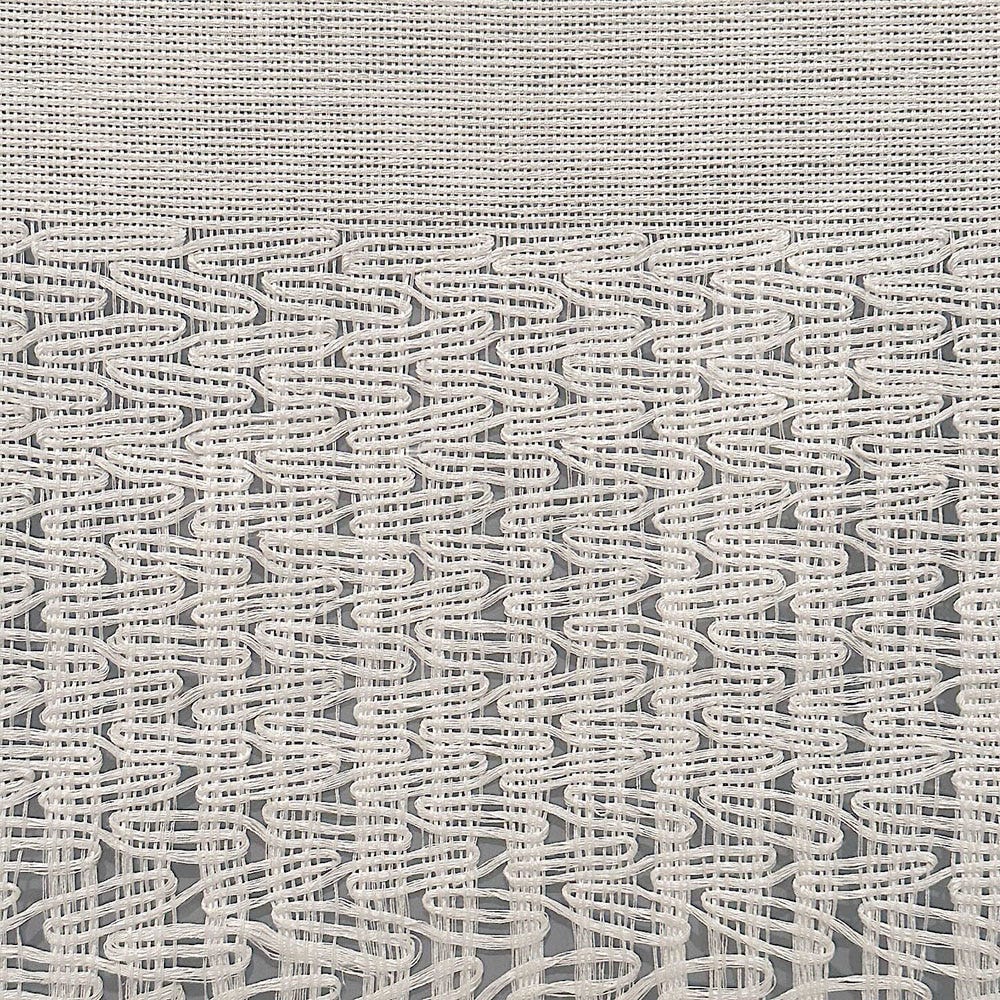
Inspired by Virginia Woolf’s seminal 1929 feminist essay, A Room of One’s Own, I’ve been thinking a lot about the importance of weaving one’s own space – both as a personal need and as a practical way for making any environment more conducive to creative work.
I read A Room of One’s Own during my late teens, and this overlapped with a period when I would spend a lot of time alone in my room arranging objects for tabletop still lifes, writing, and imagining other worlds in the quiet of a farmhouse setting.
It was in this stillness that periods of focused concentration and ‘warp and weft’ storylines came to life. I am often reminded of the independence that I felt as I wove together materials and created makeshift compositions in the room’s pockets of space.
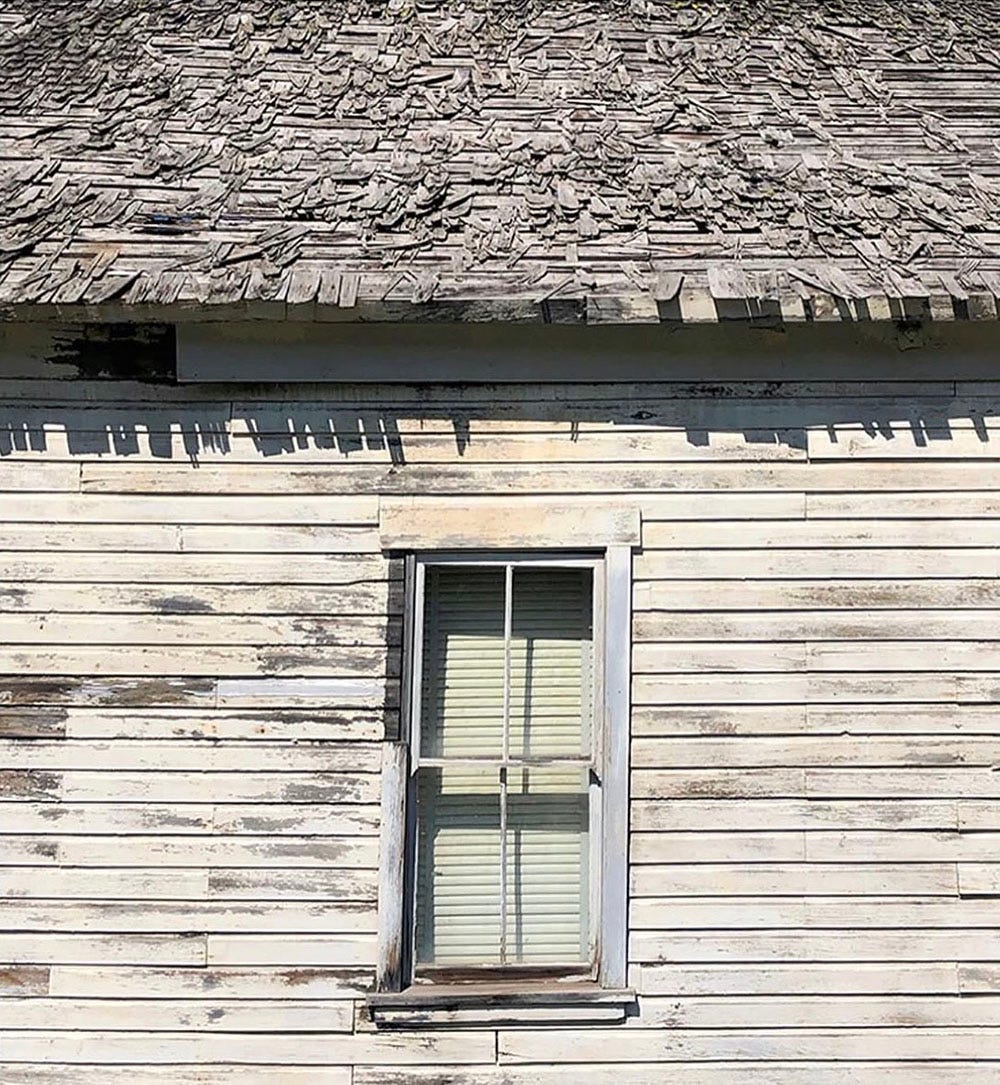
When I travel today, I like to go off the beaten path to look for buildings or landscape structures that resemble living weavings. The weathering of an old facade or roofline, together with surrounding natural forms, creates a ‘warp and weft’ of resilient beauty.
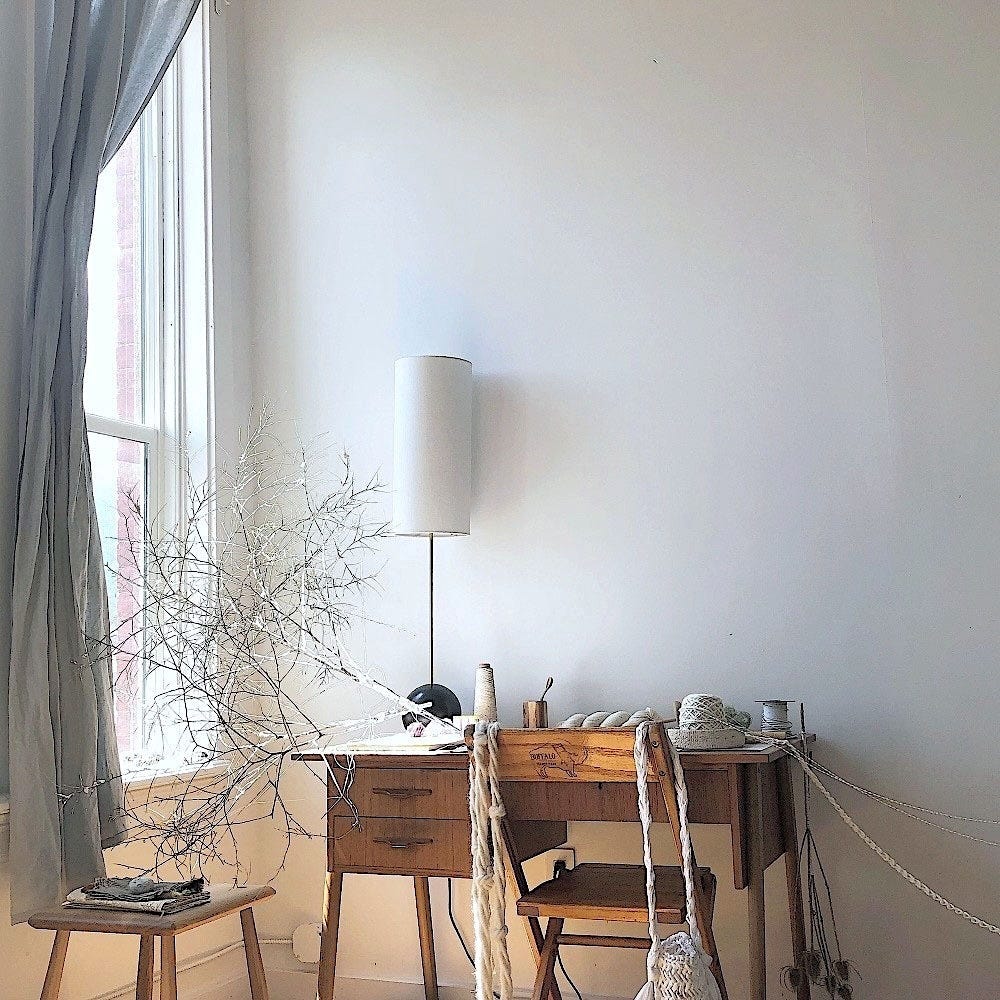
One’s designated space might be an actual work studio or simply a moment in time where things are permitted to come together. I am reminded of a piece I once wrote on the work of Dutch artist Maria Blaisse and her bamboo mesh structures. Beyond our defining time and place to pursue our goals, I find the idea that the body itself might participate in how we weave together our space(s) inspiring. The fluidity of this process may help us adapt to or redefine interior realms. A room of one’s own might be the time where things are allowed to unfold, new arrangements can breathe or take shape, and simple gestures propel us forward.